Infantry: Lessons from Matterhorn and the Vietnam War
Discover how Karl Marlantes’ novel reveals timeless truths about leadership under fire and the human cost of war.
Key Takeaways
Provides a candid portrayal of the Vietnam War through the eyes of a young Marine lieutenant.
Explores themes of leadership challenges, moral conflicts, brotherhood, and the psychological toll of combat.
Highlights the disconnect between frontline Marines and higher command, exposing the impact of separation on battlefield decisions.
Offers valuable insights into small-unit tactics, the influence of terrain and weather, and the realities of jungle warfare.
Remains relevant to current military operations and leadership challenges, providing lessons in leadership, responsibility, and decision-making.
Note: Matterhorn is a fictional novel. The images in this post represent the timeframe, location, and type of unit within the storyline. The video is from an interview with the author.
“There it is.” – Karl Marlantes, Matterhorn
Karl Marlantes’ Matterhorn is an intense, fictional novel about the Vietnam War, capturing the experiences of young Marines battling a determined enemy, the unforgiving jungle, and the challenges of leadership. Matterhorn itself is a fictional name for a piece of key terrain (or a hill). The book provides a candid look at the Vietnam conflict through the eyes of a Marine lieutenant leading his platoon through brutal conditions and moral conflicts. Drawing directly from Marlantes’ personal experience as a Marine Infantry Officer in Vietnam, Matterhorn goes beyond combat to explore the psychological toll of war, the challenges of racial tension within the ranks, and the bureaucratic obstacles that Marines faced.
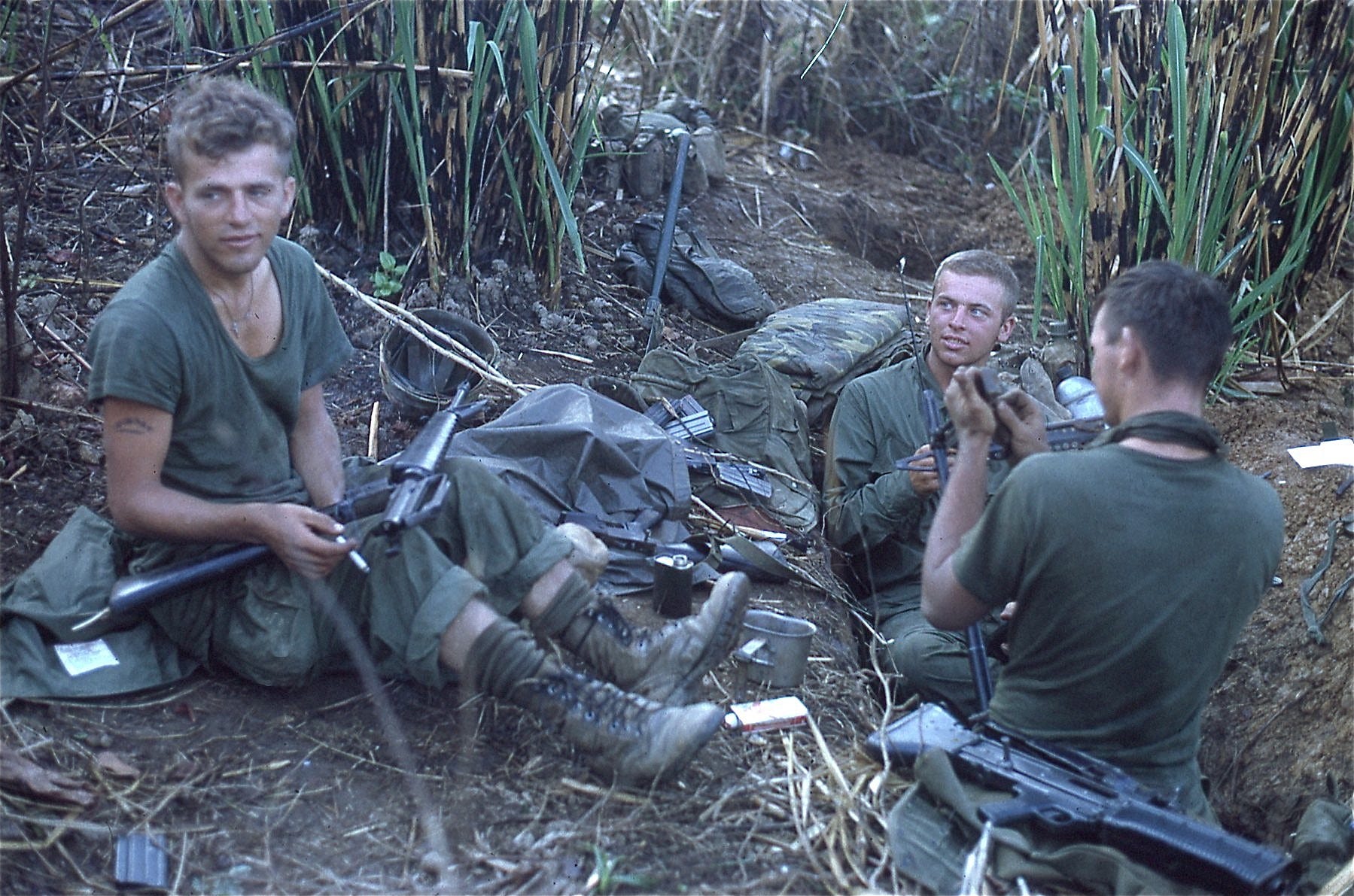
Matterhorn had been sitting on my shelf for years—a perfect paperback with no scars or bent corners—patiently waiting to be read. My reading has accelerated since Phil and I started The Military Reading Room, prompting me to revisit books I had long intended to explore. Ironically, my youngest son, now a college student using the GI Bill to finish his degree, noticed me reading it during a recent visit and mentioned he had read it in high school. Having served in the Seabees and initially considered becoming a Corpsman, I can’t help but think that, at least subconsciously, reading Matterhorn may have planted that seed.
The Vietnam War, with its dense jungles, unpredictable enemy tactics, and well-known political backdrop, provides the foundation for Matterhorn. Marlantes does an excellent job of describing the conditions in which the Marines existed. The war’s emphasis on body counts and the lack of an understandable strategy help form the story. Marines in Matterhorn not only fought the North Vietnamese Army (NVA) and Viet Cong but also battled the climate, tropical diseases, and logistical failures.

Matterhorn reveals a striking gap between higher-ranking officers and troops on the ground. The narrative follows a frustrating theme of operations driven more by personal ambition than by sound tactical decisions, a point underscored by the friction between patrolling rifle companies and their battalion leadership. Additionally, the novel explores the racial tensions within the ranks and the how those tensions strained the unit’s cohesion.
By setting the novel at the company and platoon level, in the jungle during the rainy season of the Vietnam conflict, Marlantes doesn’t just recount combat; he addresses the psychological and moral challenges Marines endured. The environment becomes the enemy—jungle rot, leeches, monsoon rains, and heat exhaustion are constant threats. This backdrop intensifies the stakes of every decision.
About the Author: Karl Marlantes and His Influence on Matterhorn
Karl Marlantes is a decorated Marine Corps veteran and Rhodes Scholar whose firsthand experiences in the Vietnam War served as the foundation for Matterhorn. Commissioned as a Marine Corps Second Lieutenant after completing his undergraduate studies at Yale, Marlantes deferred his Rhodes Scholarship at Oxford to serve in Vietnam, where he led a Marine infantry platoon. His combat service earned him the Navy Cross, Bronze Star, two Navy Commendation Medals for valor, two Purple Hearts, and ten Air Medals.
Marlantes' time in Vietnam clearly influenced his writing and Matterhorn's depth. The novel, which took him over three decades to write, is infused with the trials and moral challenges he encountered as a young officer navigating both the dangers of combat and the weight of leadership. His detailed descriptions of jungle warfare, the psychological toll on troops, and the friction between front-line Marines and higher command reflect the realities he personally faced. Marlantes has often noted that writing the book was a cathartic process, helping him process his wartime experiences while shedding light on the human cost of war.
Karl Marlantes InterviewTactical Insights
Mellas’ Journey and Key Moments of Combat
Throughout Matterhorn, the lead character, Lieutenant Mellas’ journey is marked by a series of intense combat engagements that test his leadership. Marlantes captures the visceral nature of firefights, where split-second decisions can mean life or death. Key moments include an assault on Matterhorn and an evacuation under fire, forcing Mellas to balance mission acceptance and troop safety. These engagements reveal the chaos of combat and the challenge of small-unit leadership under extreme pressure.
Terrain, Weather, and Supply Challenges
The unforgiving terrain of Vietnam plays a pivotal role in the narrative. Dense jungle foliage, steep ridgelines, and muddy valleys made movement difficult, while monsoon rains and high humidity sucked the strength out of Marines. Supply issues compounded the physical strain, and resupply missions were often delayed or failed entirely, leaving Bravo Company short on food, water, and ammunition. The terrain and its impact on tactical decisions was a central theme; controlling high ground like Matterhorn was crucial but often came at a high cost.
Jungle Warfare and Small-Unit Tactics
Matterhorn is a realistic portrayal of jungle warfare, capturing combat's harsh realities in dense, unforgiving terrain. Marlantes’ attention to detail brings to life patrolling through dense vegetation, establishing defensive perimeters, and employing tactical formations suited for limited visibility. Ambushes, booby traps, and sudden enemy contacts highlight the life-saving necessity of staying focused and alert. The novel also explores the importance of small-unit cohesion and how success or failure is based on trust and communication within the unit.

Personal Reflection on Reading Matterhorn
When I first picked up Matterhorn, I expected a well-written war novel, but what I experienced was far more powerful and moving than I anticipated. Marlantes did an exceptional job of drawing me into the world of Bravo Company, making me feel the pain, anguish, and exhaustion of the Marines as if I were right there with them.
When I finished the book, I found myself deeply affected by the story and its characters. I felt an immediate urge to find a Vietnam veteran and hear their stories firsthand. Matterhorn's raw honesty compels reflection and conversation; it makes you want to understand more and empathize beyond the pages.

Why Does This Book Matter Today?
While Matterhorn is set during the Vietnam War, its themes and lessons remain profoundly relevant to current military conflicts and leadership challenges. Today’s military leaders still face the same difficult balance between mission accomplishment and troop welfare, the friction between higher command and frontline realities, and the moral challenges that arise in combat and in garrison. Marlantes’ exploration of how ambition, bureaucracy, and miscommunication can lead to devastating consequences resonates with anyone who has served in uniform, regardless of era or theater of war (or peace for that matter).
Reading Matterhorn is more than engaging with a compelling story. It’s an eye opening view into an infantry platoon’s experience during the Vietnam War. It highlights the challenges of leadership under fire and helps us understand the sacrifices made by those we send to war. For history buffs and general readers, it opens a window into the lived experiences of our Vietnam Veterans. This window is sometimes clouded by the parallel story of protest and political failures at home.
Ultimately, Matterhorn matters today because human conflict remains central to living on Earth. The leadership lessons and insights in Matterhorn are as vital now as they were in the jungles of Vietnam.
Have you read Matterhorn? What stood out to you? I’d love to hear your thoughts and continue the conversation.
Tags: Book Review, Vietnam War, Infantry
Our simple request:
If you liked this post and wish to see more like it, click the heart below.
If you have personal experience or have an idea or opinion to share, we would love your comment.
If you have an idea for improving it, please let us know in a comment.


“Ultimately, Matterhorn matters today because human conflict remains central to living on Earth.” 🎯
geography. physics. physiology.
Nice summary…. Will definitely put this on my reading list